2o - To Make Sure You’re in The Right Track


The Long Story of Fashion: From Museum Pieces to Media Messages

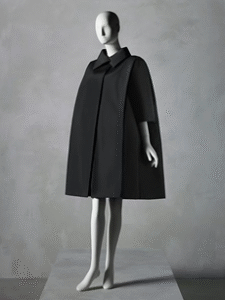
Fashion has never been “just clothes.” From the start, what people wore was a way to show status, lifestyle, and beliefs.
There are three main approaches to fashion history:
- Dress history
Since the 19th century, scholars have studied garments, shoes, hats, and even lace preserved in museums. For example, 17th-century English lace embroidered with pearls wasn’t just decorative—it symbolized wealth and social rank. Objects like this help us trace style changes and cultural meaning. - Fashion studies
Emerging in the 1980s, this field looks at fashion as a language or code. Take corsets in Toronto: to some, they symbolized elegance; to others, they were harmful to women’s health. Here, fashion isn’t just material—it’s a cultural debate about beauty, gender, and power. - Material culture
This blends both views. Objects still matter, but so does their social and economic context. A great example is French shoes in the early 19th century. Their popularity wasn’t only about style—they were designed in a way that made production faster and cheaper, showing how fashion connects to industry and trade.
More recently, fashion is also seen as communication. Since the first fashion magazine Le Mercure Galant (1672), fashion journalism has been shaping how people see trends. From glossy magazines to Instagram, fashion works as a visual language, telling stories about identity and belonging.
In short: fashion history is about objects, social theory, and communication. Every dress, corset, or pair of shoes tells a story—not just of style, but of culture, economy, and identity.